How to Book and What to Expect From Our Appliance Repair Process
This contact page is not merely a form. It explains what information helps us route a washing machine, tumble dryer, dishwasher, fridge, freezer or laundry-equipment enquiry correctly, what can and cannot be confirmed remotely, and how the diagnostic and quotation process should work after a booking is received.
How we establish the cause before recommending work
For How to Book and What to Expect From Our Appliance Repair Process, we record the operating timeline: what still functions, the first failed stage, any code, sound, smell, heat, frost or water pattern, and what happens immediately afterwards. This narrows the system to test without treating the symptom as proof that one familiar component has failed.
We then assess the installation and utility conditions relevant to How to Book and What to Expect From Our Appliance Repair Process. Depending on the appliance, this includes voltage and isolation, water pressure, inlet and waste routing, ventilation, cabinet clearance, floor level, ambient temperature, recent relocation and evidence of earlier repairs.
Before work proceeds for How to Book and What to Expect From Our Appliance Repair Process, the confirmed finding, proposed action, parts requirement, completion test and factors that may alter the scope should be explained. Restricted access, corrosion, interacting faults, cabinetry constraints and unavailable components are disclosed rather than hidden behind an unconditional same-day promise.
Fault patterns that require different diagnostic paths
🔎
Information needed for useful triage
State what the appliance still does, the first stage that fails, whether there is water, heat, noise, smell, frost or electrical tripping, and what changed before the fault began. “Not working” alone is rarely enough to prepare effectively.
🔎
What a booking does not guarantee
A booking confirms an enquiry and proposed attendance arrangement; it does not prove a particular part is faulty, guarantee same-day completion or establish a final repair price before diagnosis and access are assessed.
🔎
Urgent safety information
Stop using appliances that smoke, smell of burning, trip protection repeatedly, leak near electrical parts, overheat, produce severe mechanical noise or create a food-safety or flooding risk. Isolate power and water where safe to do so.
Safety, completion testing and honest service limits
For How to Book and What to Expect From Our Appliance Repair Process, stop using equipment that trips electrical protection, smells of burning, produces smoke, leaks near live parts, overheats uncontrollably, makes severe mechanical sounds or creates an immediate flooding or food-safety risk. Isolate power and close water supplies where appropriate; protective devices must never be bypassed.
After diagnosis, the reported fault, confirmed cause, proposed repair, parts requirement, expected testing and any limitations should be explained clearly. The appliance should only be treated as repaired after the original complaint has been retested under appropriate operating conditions.
First-visit completion for How to Book and What to Expect From Our Appliance Repair Process depends on safe access, accurate model identification, diagnostic time, fault complexity and part availability. We do not claim universal parts stock, manufacturer authorisation or a guaranteed outcome before the appliance and installation have been assessed.
Information that improves appointment preparation
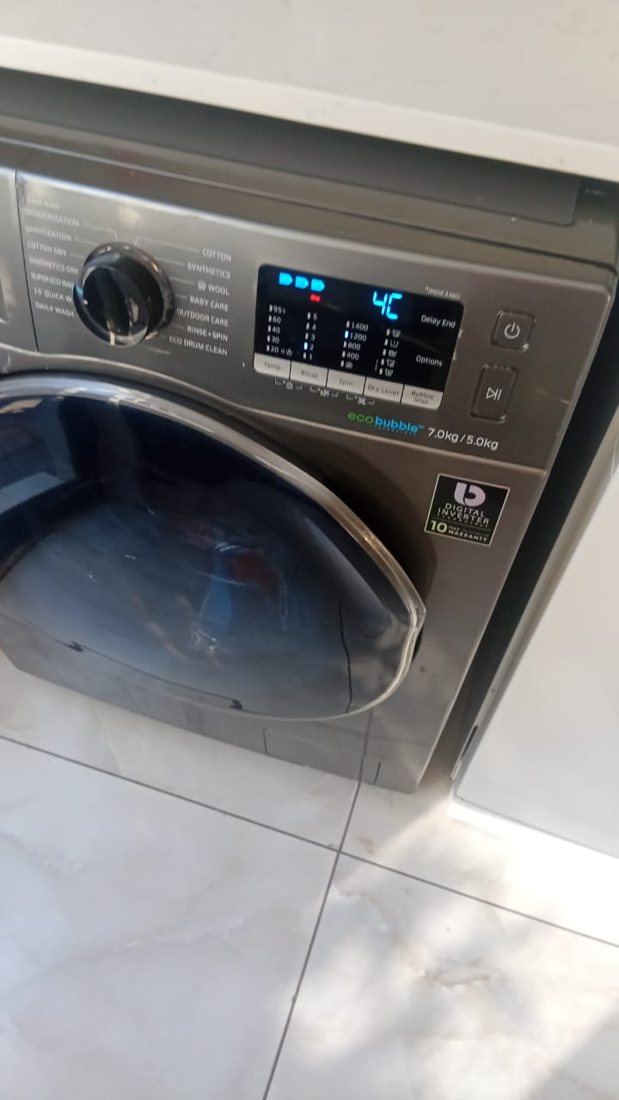
Send the service address or suburb, appliance category, brand, full model number where visible, a precise description of the first failed function, any error code, photographs or a short video, access restrictions and your preferred appointment window. Do not send passwords, banking information or unrelated personal documents.
Clear photographs, model information and a precise operating timeline improve preparation for How to Book and What to Expect From Our Appliance Repair Process, but they do not replace on-site electrical, mechanical, temperature, water-flow or functional testing.
Content reviewed 2026-08-04. This guidance is educational and must be confirmed against the actual appliance, installation and site conditions.