Symptom Mapping Before Parts Replacement
A reported symptom is the starting point, not the diagnosis. “Not spinning” may be caused by retained water, an unbalanced load, a motor problem or a control decision. “Leaking” can originate at the inlet, dispenser, door, pump or tub. We map what the machine was doing immediately before failure to narrow the test path.
1. Cycle Stage Where Failure Begins
We examine the cycle stage where failure begins in relation to the reported fault and the machine’s operating sequence. The check is intended to confirm whether this area is functioning, obstructed, worn, incorrectly installed or receiving the wrong electrical or control input. Findings from this step are compared with the other symptoms before any repair recommendation is made.
2. Sound And Vibration Pattern
We examine the sound and vibration pattern in relation to the reported fault and the machine’s operating sequence. The check is intended to confirm whether this area is functioning, obstructed, worn, incorrectly installed or receiving the wrong electrical or control input. Findings from this step are compared with the other symptoms before any repair recommendation is made.
3. Water Remaining In Drum
We examine the water remaining in drum in relation to the reported fault and the machine’s operating sequence. The check is intended to confirm whether this area is functioning, obstructed, worn, incorrectly installed or receiving the wrong electrical or control input. Findings from this step are compared with the other symptoms before any repair recommendation is made.
4. Temperature Behaviour
We examine the temperature behaviour in relation to the reported fault and the machine’s operating sequence. The check is intended to confirm whether this area is functioning, obstructed, worn, incorrectly installed or receiving the wrong electrical or control input. Findings from this step are compared with the other symptoms before any repair recommendation is made.
5. Door-Lock Status
We examine the door-lock status in relation to the reported fault and the machine’s operating sequence. The check is intended to confirm whether this area is functioning, obstructed, worn, incorrectly installed or receiving the wrong electrical or control input. Findings from this step are compared with the other symptoms before any repair recommendation is made.
6. Displayed Code Or Flashing Sequence
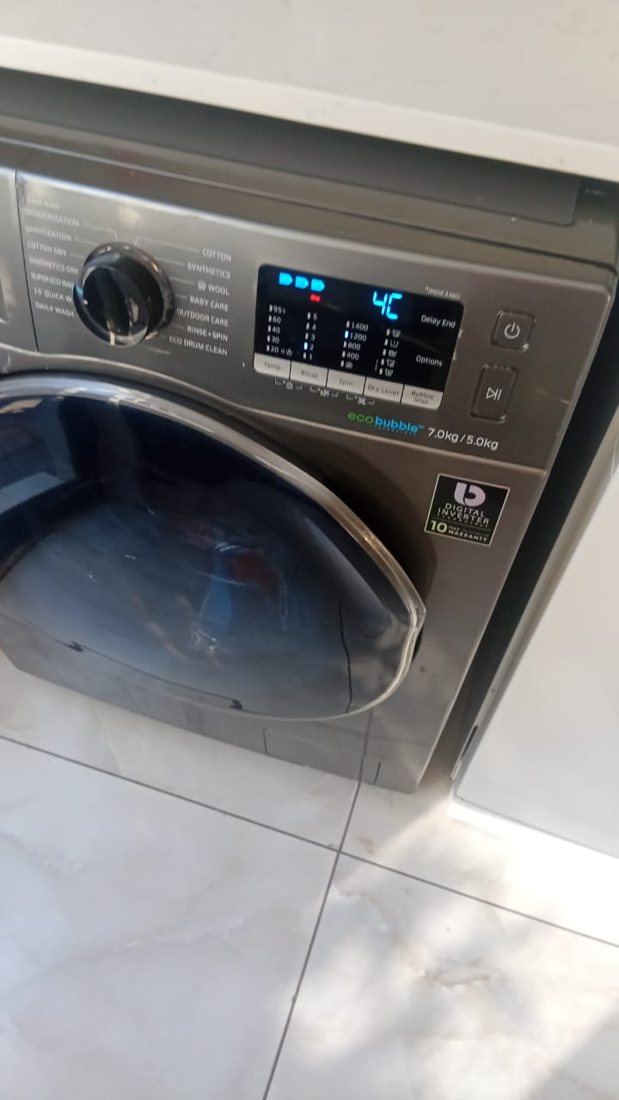
We examine the displayed code or flashing sequence in relation to the reported fault and the machine’s operating sequence. The check is intended to confirm whether this area is functioning, obstructed, worn, incorrectly installed or receiving the wrong electrical or control input. Findings from this step are compared with the other symptoms before any repair recommendation is made.
7. Leak Location And Timing
We examine the leak location and timing in relation to the reported fault and the machine’s operating sequence. The check is intended to confirm whether this area is functioning, obstructed, worn, incorrectly installed or receiving the wrong electrical or control input. Findings from this step are compared with the other symptoms before any repair recommendation is made.
8. Electrical Trip Point
We examine the electrical trip point in relation to the reported fault and the machine’s operating sequence. The check is intended to confirm whether this area is functioning, obstructed, worn, incorrectly installed or receiving the wrong electrical or control input. Findings from this step are compared with the other symptoms before any repair recommendation is made.