Monday–Saturday • On-site service across Gauteng Call +27 79 976 2941 · info@washingmachinerepairpros.co.za

Washing Machine Not Spinning Repair

We diagnose and repair washing machines that will not spin or leave clothes soaking wet. Call or WhatsApp our team and tell us what the machine is doing.

On-site diagnosis
Clear repair advice
Major brands supported
Gauteng-wide coverage

Book a Technician Near You

Tell us what the appliance is doing. We will use the details to arrange the right technician and respond faster.

Use a number we can call or WhatsApp.
Enter the suburb where the appliance is located.
Example: Samsung WW80 or Defy top loader.
Include the fault, noise, leak, error code or what happens during the cycle.
Book on WhatsApp
Content reviewed: 4 August 2026 • Diagnostic guidance, not a remote diagnosis

Why a Washing Machine Will Not Spin: A Diagnostic Sequence

A washing machine that leaves clothes wet does not automatically have a failed motor. Most machines permit high-speed spin only after several conditions are satisfied: water must drain, the door or lid must lock, the load must balance and the drive system must respond correctly. We diagnose those conditions in sequence so that the visible symptom is not confused with the root cause.

Drainage is checked before the drive system

If water remains in the drum, the control may inhibit spin for safety. The filter, drain hose, standpipe, pump chamber and pump operation are checked first. A pump can make noise without moving enough water, and a partially blocked hose can drain slowly enough to prevent the machine reaching spin speed.

Pressure sensing also matters. If the machine incorrectly believes water is still present after drainage, it may continue pumping or refuse to accelerate. The technician checks the water-level signal and related hose for blockage, leakage or incorrect response.

Door lock, load balance and programme conditions

Front loaders require a confirmed door-lock signal before high-speed spin. Top loaders may use a lid switch, lock or position sensor. A loose connection or worn lock can allow washing at low speed but stop the final spin. The lock is tested rather than replaced solely because the machine stops at that stage.

An overloaded, very small or uneven load can repeatedly trigger balance correction. Bedding, bath mats and single heavy items are common examples. We compare the complaint with an empty or controlled test load before concluding that suspension, sensing or motor parts are faulty.

Belts, motors and electronic control

Where drainage and locking are correct, the drive system is assessed. Belt-driven machines may have a stretched or broken belt, damaged pulley or motor issue. Direct-drive platforms can involve motor windings, rotor or stator parts, position feedback, wiring or the inverter/control circuit. Carbon brushes apply only to motor types that use them.

The correct test depends on the platform. Visual inspection, continuity, insulation, supply and feedback checks may be required. Replacing a motor or control board without confirming the supporting signals can be expensive and unnecessary.

Safe use and evidence after repair

Stop using the washer if it bangs violently, the drum has excessive movement, there is a burning smell or the machine trips power. Repeated spin attempts can worsen bearing, suspension, pulley or wiring damage.

After repair, the washer should drain fully, lock correctly, distribute a test load and accelerate without abnormal movement or error codes. Tell us whether water remains, whether the drum turns at wash speed and whether the problem occurs on every programme.

Professional Washing Machine Not Spinning Repair

Washing Machine Not Spinning Repair should be handled with accurate diagnosis, clear communication and practical repair advice. At Washing Machine Repair Pros, we provide on-site support for households, landlords, property managers, laundromats, guesthouses and businesses across Gauteng. Our team focuses on washing machines, tumble dryers and connected laundry equipment, so every page and booking path is built around the problems customers actually need resolved.

Our washing machine not spinning repair service is designed for real homes, rental properties and working businesses where laundry disruption quickly becomes inconvenient. We attend properties across Randburg and nearby areas, bringing practical fault-finding experience for modern and older machines. We work carefully around water, drainage and electrical systems, and we ask customers to stop using an appliance when continued operation could worsen a leak, electrical fault or drum problem.

Blocked Drainage

We inspect the relevant systems and repair the confirmed cause rather than replacing parts by guesswork.

Worn Motor Brushes

We inspect the relevant systems and repair the confirmed cause rather than replacing parts by guesswork.

Broken Drive Belt

We inspect the relevant systems and repair the confirmed cause rather than replacing parts by guesswork.

Door Lock Failure

We inspect the relevant systems and repair the confirmed cause rather than replacing parts by guesswork.

Motor Faults

We inspect the relevant systems and repair the confirmed cause rather than replacing parts by guesswork.

Control Problems

We inspect the relevant systems and repair the confirmed cause rather than replacing parts by guesswork.

Problems we diagnose and repair

The most common enquiries we receive involve blocked drainage, worn motor brushes, broken drive belt, door lock failure, motor faults and control problems. These symptoms may be linked, so the first visible problem is not always the full fault. A washer that will not spin, for example, may actually be refusing to spin because it has not drained. A machine that trips the electricity may have a leak reaching an electrical component rather than a simple supply problem.

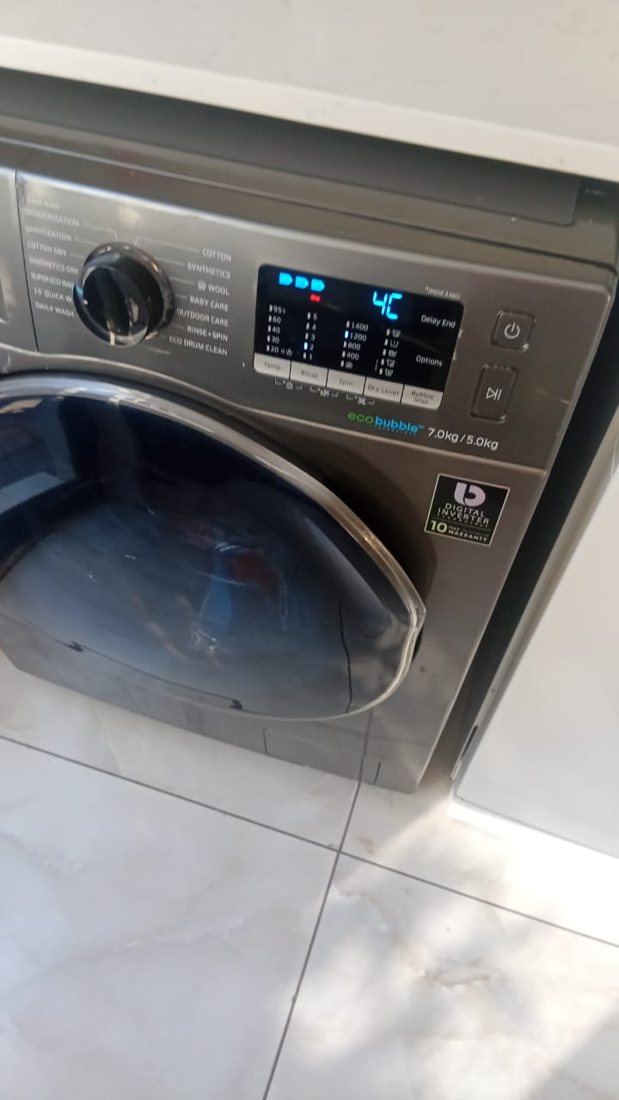
We regularly assist with blocked drainage, worn motor brushes, broken drive belt and door lock failure. The exact repair depends on the appliance type, brand, model, age and symptoms. Providing the model number, a photograph of the display and a short video of the noise on WhatsApp can help us prepare for the visit. It does not replace on-site testing, but it can make the booking process more efficient.

How our on-site diagnosis works

When to stop using the appliance

Service coverage across Gauteng

We arrange washing machine not spinning repair across Johannesburg, Pretoria, Sandton, Midrand, Centurion, as well as Randburg, Roodepoort, the East Rand and surrounding suburbs. Availability varies by location and existing bookings, so customers who need urgent assistance should call or send a WhatsApp message with their suburb, appliance brand and main symptom.

When customers contact us about washing machine not spinning repair, we begin with the symptoms rather than assuming which part has failed. Two machines can show the same outward problem for very different reasons. Our technician checks the operating stage, listens to the machine, tests the relevant mechanical and electrical components, and explains what has been found before repair work begins. This disciplined approach helps prevent unnecessary part replacement and gives you a clearer basis for deciding whether the repair is worthwhile.

Recent Repair Work

Frequently Asked Questions

Do you provide washing machine not spinning repair on-site?

Yes. Most diagnosis and repair work is carried out at the customer’s home or business, subject to the machine, fault and parts required.

Can I book through WhatsApp?

Yes. Send your suburb, appliance brand, model number and a description or photo of the fault to +27 79 976 2941.

Do you repair all washing machine brands?

We work on most leading brands. Parts and repair feasibility depend on the exact model, age and condition of the machine.

What can cause blocked drainage?

Possible causes include installation conditions, blockages, worn mechanical parts, electrical faults, sensors or control problems. Testing is required to identify the actual cause.

Is same-day service guaranteed?

We prioritise urgent requests and often arrange same-day attendance, but availability depends on your location, booking time and technician schedule.

What should I send before the visit?

Send the suburb, brand, model number, fault description, error code and a clear photo of the machine or display where possible.

Need Washing Machine Not Spinning Repair?

Send us your suburb, brand, model and fault. We will help you arrange the right on-site service.

Our Diagnostic Standard for Washing Machine Not Spinning Repair

We consider washing machine not spinning repair complete only when the reported symptom, the underlying cause and the final operating test agree. A part should not be replaced merely because it is commonly associated with a fault. Our process checks the appliance installation, supply conditions, drainage, wiring, mechanical movement and control signals in a logical order so that the recommendation is based on evidence rather than guesswork.

Spin-Permission Checks

Most machines will refuse high-speed spin when another safety condition is not met. Retained water, an unlocked door, repeated imbalance or missing motor feedback can all cancel spin. The correct repair depends on which permission is absent, so we avoid assuming that a non-spinning machine automatically needs a motor.

1. Completed Drainage

We examine the completed drainage in relation to the reported fault and the machine’s operating sequence. The check is intended to confirm whether this area is functioning, obstructed, worn, incorrectly installed or receiving the wrong electrical or control input. Findings from this step are compared with the other symptoms before any repair recommendation is made.
2. Door Or Lid Lock Confirmation

We examine the door or lid lock confirmation in relation to the reported fault and the machine’s operating sequence. The check is intended to confirm whether this area is functioning, obstructed, worn, incorrectly installed or receiving the wrong electrical or control input. Findings from this step are compared with the other symptoms before any repair recommendation is made.
3. Load Distribution

We examine the load distribution in relation to the reported fault and the machine’s operating sequence. The check is intended to confirm whether this area is functioning, obstructed, worn, incorrectly installed or receiving the wrong electrical or control input. Findings from this step are compared with the other symptoms before any repair recommendation is made.

4. Motor Feedback

We examine the motor feedback in relation to the reported fault and the machine’s operating sequence. The check is intended to confirm whether this area is functioning, obstructed, worn, incorrectly installed or receiving the wrong electrical or control input. Findings from this step are compared with the other symptoms before any repair recommendation is made.
5. Belt And Pulley Condition

We examine the belt and pulley condition in relation to the reported fault and the machine’s operating sequence. The check is intended to confirm whether this area is functioning, obstructed, worn, incorrectly installed or receiving the wrong electrical or control input. Findings from this step are compared with the other symptoms before any repair recommendation is made.
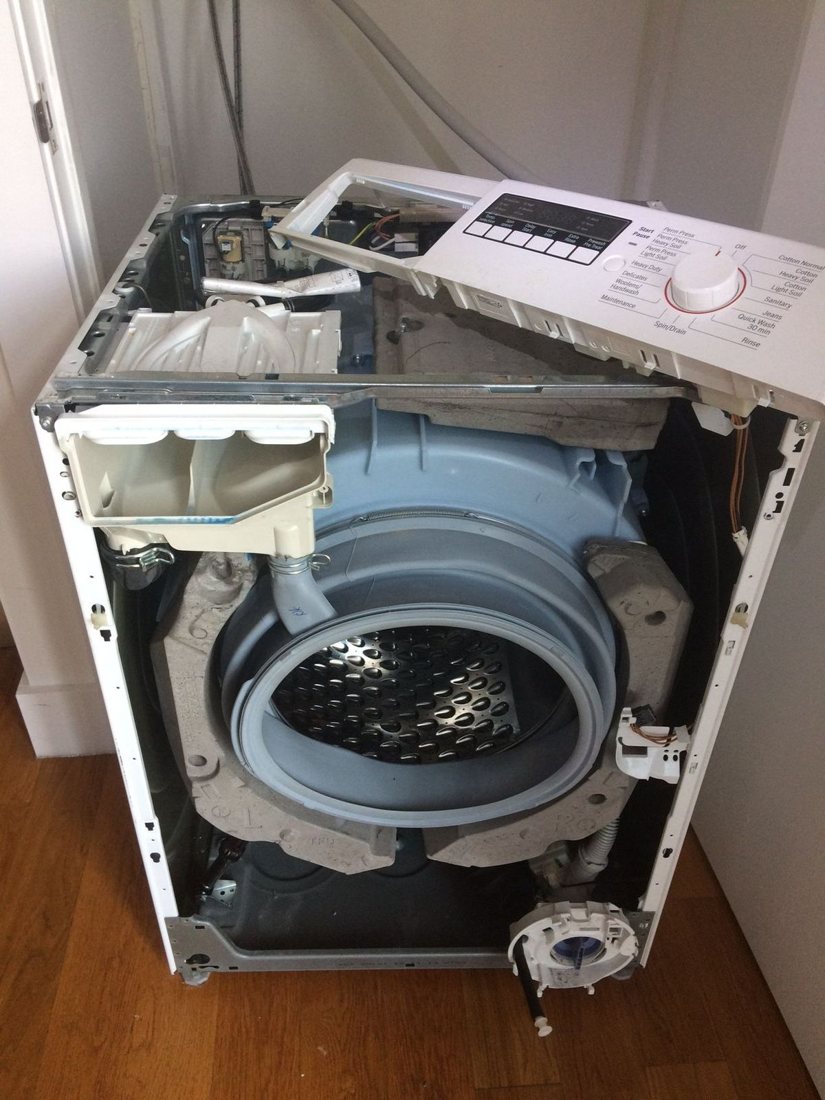
6. Suspension Stability

We examine the suspension stability in relation to the reported fault and the machine’s operating sequence. The check is intended to confirm whether this area is functioning, obstructed, worn, incorrectly installed or receiving the wrong electrical or control input. Findings from this step are compared with the other symptoms before any repair recommendation is made.
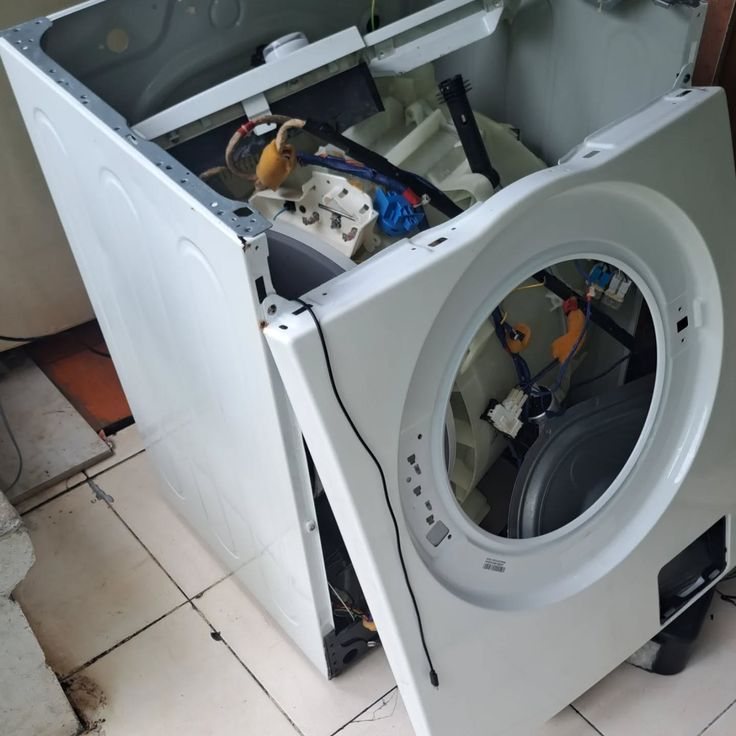
7. Bearing Resistance

We examine the bearing resistance in relation to the reported fault and the machine’s operating sequence. The check is intended to confirm whether this area is functioning, obstructed, worn, incorrectly installed or receiving the wrong electrical or control input. Findings from this step are compared with the other symptoms before any repair recommendation is made.

8. Control-Command Output

We examine the control-command output in relation to the reported fault and the machine’s operating sequence. The check is intended to confirm whether this area is functioning, obstructed, worn, incorrectly installed or receiving the wrong electrical or control input. Findings from this step are compared with the other symptoms before any repair recommendation is made.

Call Now WhatsApp Us