Leak Tracing by Cycle Stage
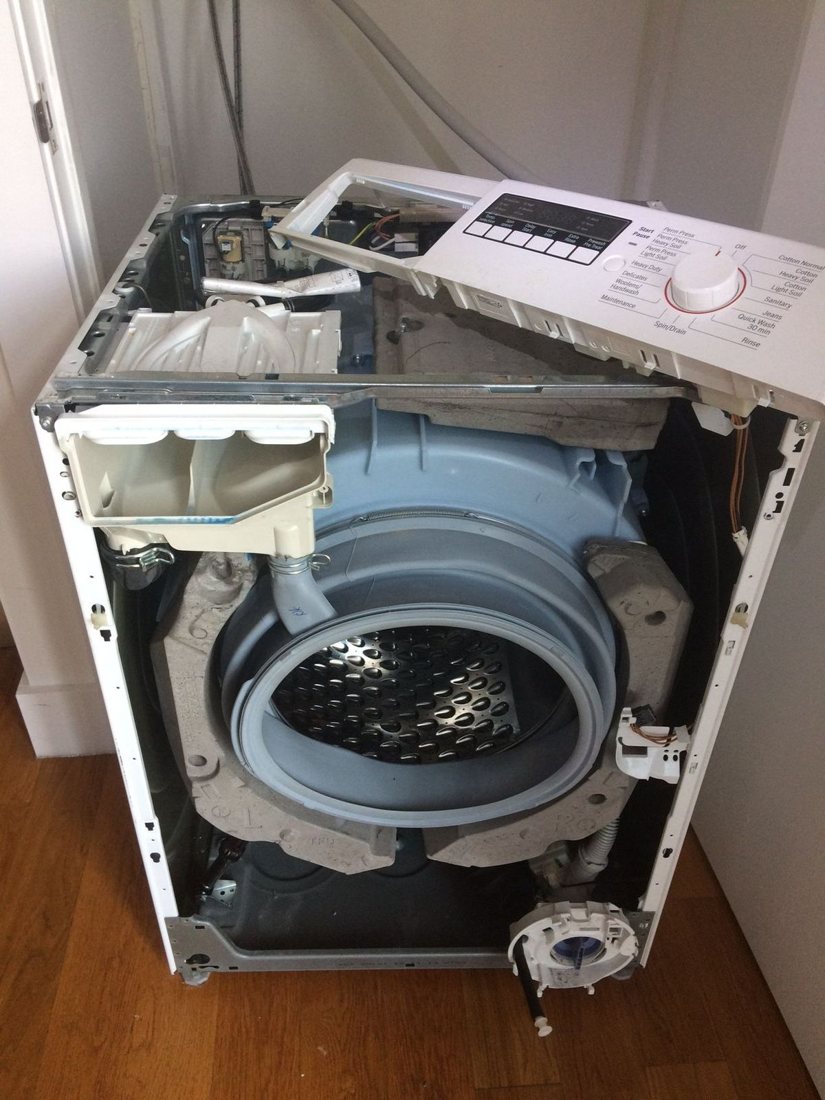
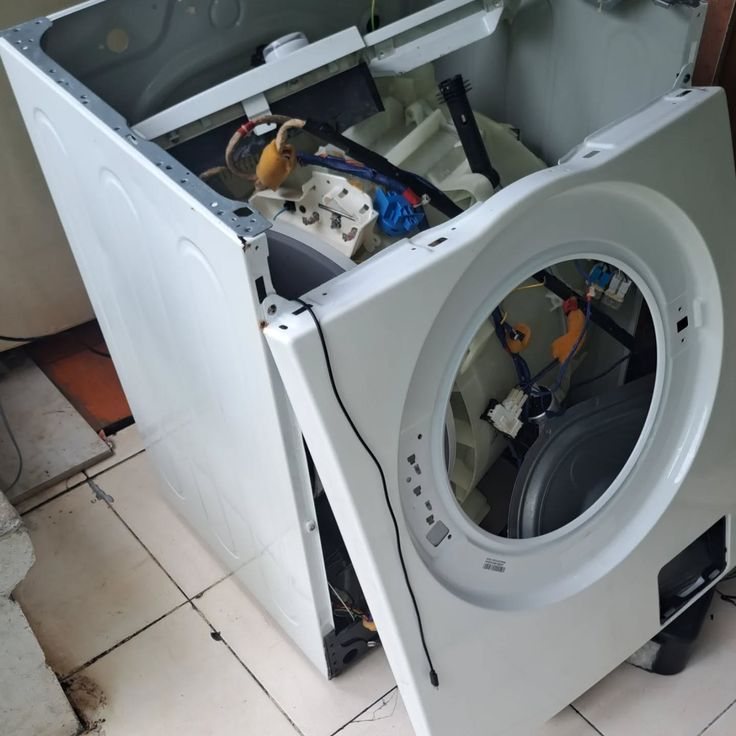
Leak location can be misleading because water travels along panels and hoses before reaching the floor. We note whether the leak starts during filling, tumbling, heating, draining or spinning. That timing, together with controlled observation, helps distinguish a supply leak from a door, pump, hose or tub problem.
1. Inlet Hose And Valve
We examine the inlet hose and valve in relation to the reported fault and the machine’s operating sequence. The check is intended to confirm whether this area is functioning, obstructed, worn, incorrectly installed or receiving the wrong electrical or control input. Findings from this step are compared with the other symptoms before any repair recommendation is made.
2. Detergent Dispenser
We examine the detergent dispenser in relation to the reported fault and the machine’s operating sequence. The check is intended to confirm whether this area is functioning, obstructed, worn, incorrectly installed or receiving the wrong electrical or control input. Findings from this step are compared with the other symptoms before any repair recommendation is made.
3. Door Seal
We examine the door seal in relation to the reported fault and the machine’s operating sequence. The check is intended to confirm whether this area is functioning, obstructed, worn, incorrectly installed or receiving the wrong electrical or control input. Findings from this step are compared with the other symptoms before any repair recommendation is made.
4. Sump And Internal Hoses
We examine the sump and internal hoses in relation to the reported fault and the machine’s operating sequence. The check is intended to confirm whether this area is functioning, obstructed, worn, incorrectly installed or receiving the wrong electrical or control input. Findings from this step are compared with the other symptoms before any repair recommendation is made.
5. Drain Pump Housing
We examine the drain pump housing in relation to the reported fault and the machine’s operating sequence. The check is intended to confirm whether this area is functioning, obstructed, worn, incorrectly installed or receiving the wrong electrical or control input. Findings from this step are compared with the other symptoms before any repair recommendation is made.
6. Outlet Hose
We examine the outlet hose in relation to the reported fault and the machine’s operating sequence. The check is intended to confirm whether this area is functioning, obstructed, worn, incorrectly installed or receiving the wrong electrical or control input. Findings from this step are compared with the other symptoms before any repair recommendation is made.
7. Tub Seam Or Bearing Seal
We examine the tub seam or bearing seal in relation to the reported fault and the machine’s operating sequence. The check is intended to confirm whether this area is functioning, obstructed, worn, incorrectly installed or receiving the wrong electrical or control input. Findings from this step are compared with the other symptoms before any repair recommendation is made.
8. Excess Foam And Overfilling
We examine the excess foam and overfilling in relation to the reported fault and the machine’s operating sequence. The check is intended to confirm whether this area is functioning, obstructed, worn, incorrectly installed or receiving the wrong electrical or control input. Findings from this step are compared with the other symptoms before any repair recommendation is made.